The Publishing Division
Three presses, one watershed.
The Collective publishes under three imprints. They share an editorial standard, a set of author terms, and a territory — the Maumee River valley and the western Lake Erie basin. They differ in what kind of book they are built to carry.
Why a nonprofit publishes at all
Commercial publishing cannot make the math work on a book with a natural audience of a few thousand people in northwest Ohio. That does not make the book unimportant. It makes it unprofitable, which is a different problem, and a nonprofit press exists precisely to solve it.
Everything the stewardship and archive programs collect — recordings, photographs, testimony, research — has to end up somewhere a person can actually read it. Books are how a small institution makes its work permanent and portable.
Terms that apply to all three imprints
- No reading fees. Ever, for anything, from anyone.
- No cost to the author. We are not a hybrid or subsidy publisher. If you are asked to pay to be published here, it is not us.
- Royalties on net receipts, paid on a published schedule, under a written contract you keep a copy of.
- Rights stay reasonable. Territory and term limited, with a clear reversion clause.
- No preferential treatment for insiders. Board members, officers, and staff do not get an easier path to publication, and no one who controls the organization is paid royalties on a title they voted to approve.
- Small lists on purpose. One to three titles a year to start, growing toward six to eight across all three imprints. Short print runs, print-on-demand for the long tail, real bookstore distribution.
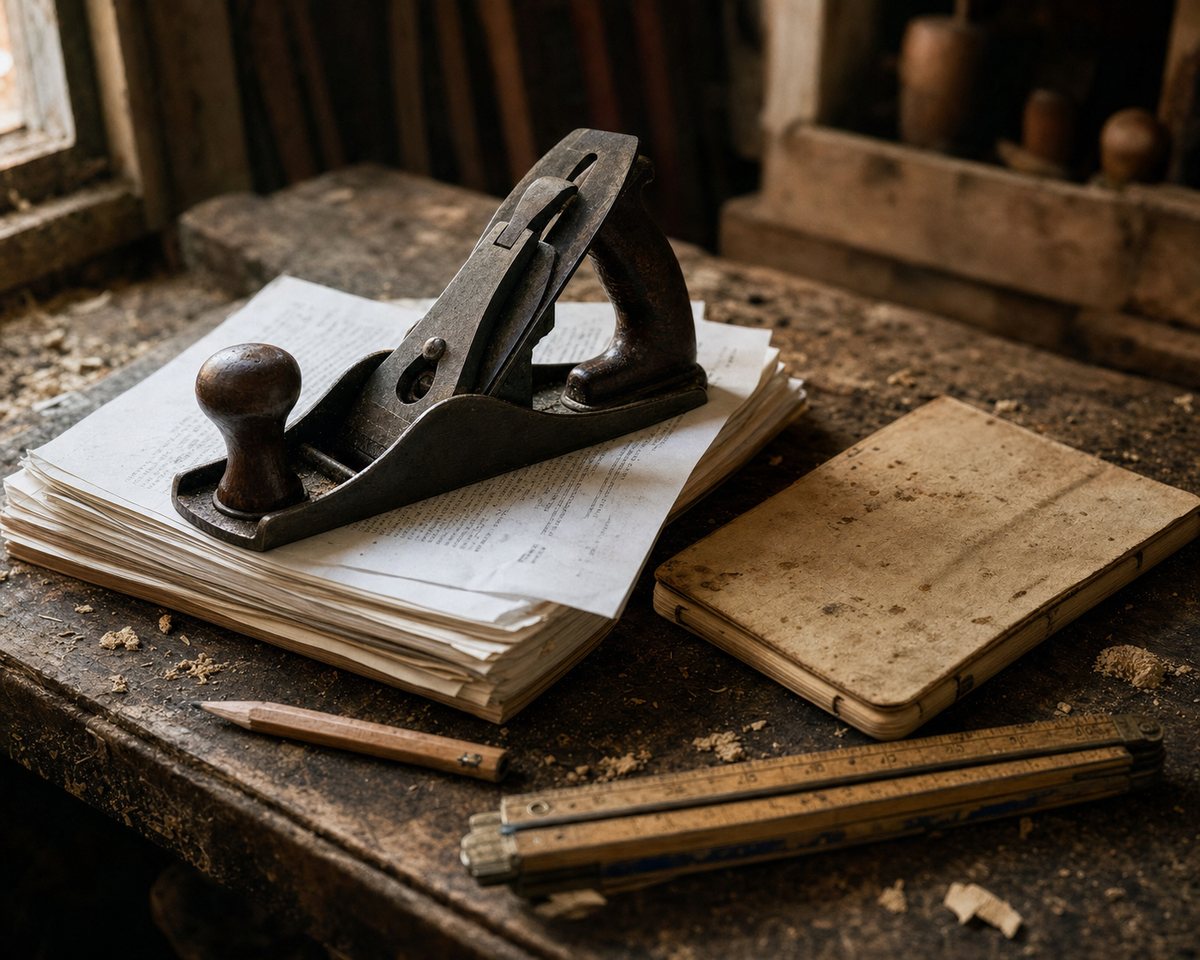
01 · Nonfiction
River Craft Press
For the people who make places worth belonging to.
The nonfiction imprint. Memoir, oral history, essays, regional history, philosophy, stewardship, and craft — books about the people who quietly shaped a place.
River Craft exists for the book that a New York house will never green-light and a local reader will never stop recommending. The retired tool-and-die man. The woman who ran the same kitchen for forty years. The farm that changed hands four times and the river that outlasted all of it.
It is also the imprint that turns the Living Archive into books. Recorded interviews become edited oral history collections; the Craftsman Spotlight becomes a profile series; a hundred photographs and a good essay become a documentary book.
What it preserves
- Working lives — trades, kitchens, farms, shops, and the people who kept them running.
- First-person accounts of the valley from people who will not be here to give them twice.
- Local and industrial history that never made it into a county historical volume.
- The craft knowledge that lives in hands and disappears when the hands stop.
What we are looking to publish
- Memoir and narrative nonfiction rooted in northwest Ohio or the western Lake Erie basin.
- Oral history collections and edited interview projects.
- Essay collections on place, work, food, drink, water, and belonging.
- Documentary photography with substantial text.
- Regional and community history written for readers, not for footnote counts.
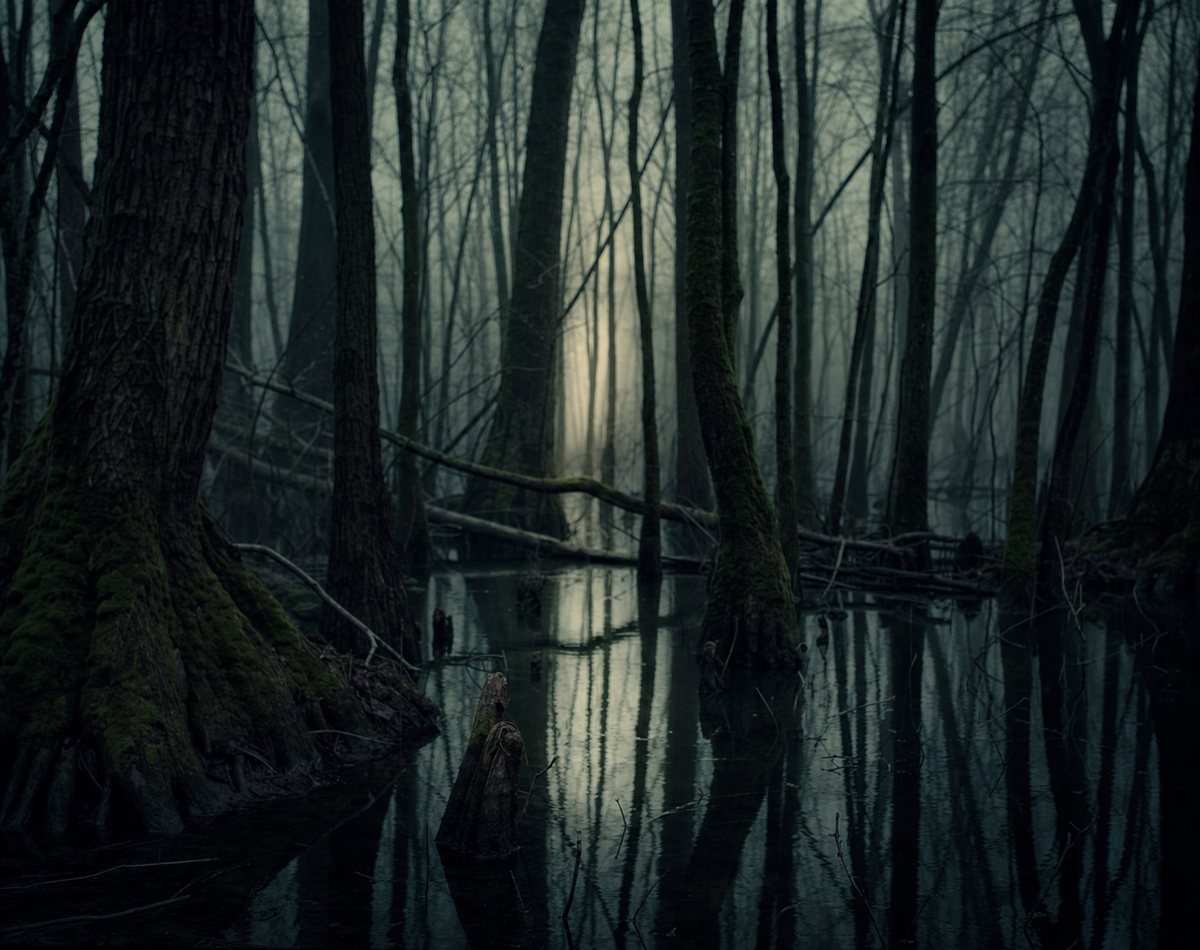
02 · Literary fiction & poetry
Black Swamp Press
Drained, farmed, and still under everything.
The literary imprint. Fiction, poetry, and novellas shaped by the history, mystery, and character of the Great Black Swamp and the country the river runs through.
For most of recorded history this was an all-but-impassable wet forest across northwest Ohio and northeast Indiana. It was cut, tiled, and drained into some of the most productive farmland in the country, and the water never entirely agreed to leave. That is a literary inheritance, not just an agricultural one.
Black Swamp publishes writers working in that inheritance — the strangeness under the flat fields, the towns at the edge of the drainage ditches, the bloom offshore in August. Regional does not mean small, and it does not mean sentimental.
What it preserves
- The imaginative record of a landscape that was engineered out of existence.
- Voices from towns that rarely appear in American fiction.
- Poetry of water, weather, farmland, and industrial edge.
- Regional storytelling that would otherwise never find a publisher.
What we are looking to publish
- Literary fiction and novellas set in or shaped by the region.
- Poetry collections and chapbooks.
- Short story collections with a strong sense of place.
- Folklore, ghost stories, and speculative work grounded in local history.
- Writing from Ohio, Indiana, and Michigan authors working in this territory.
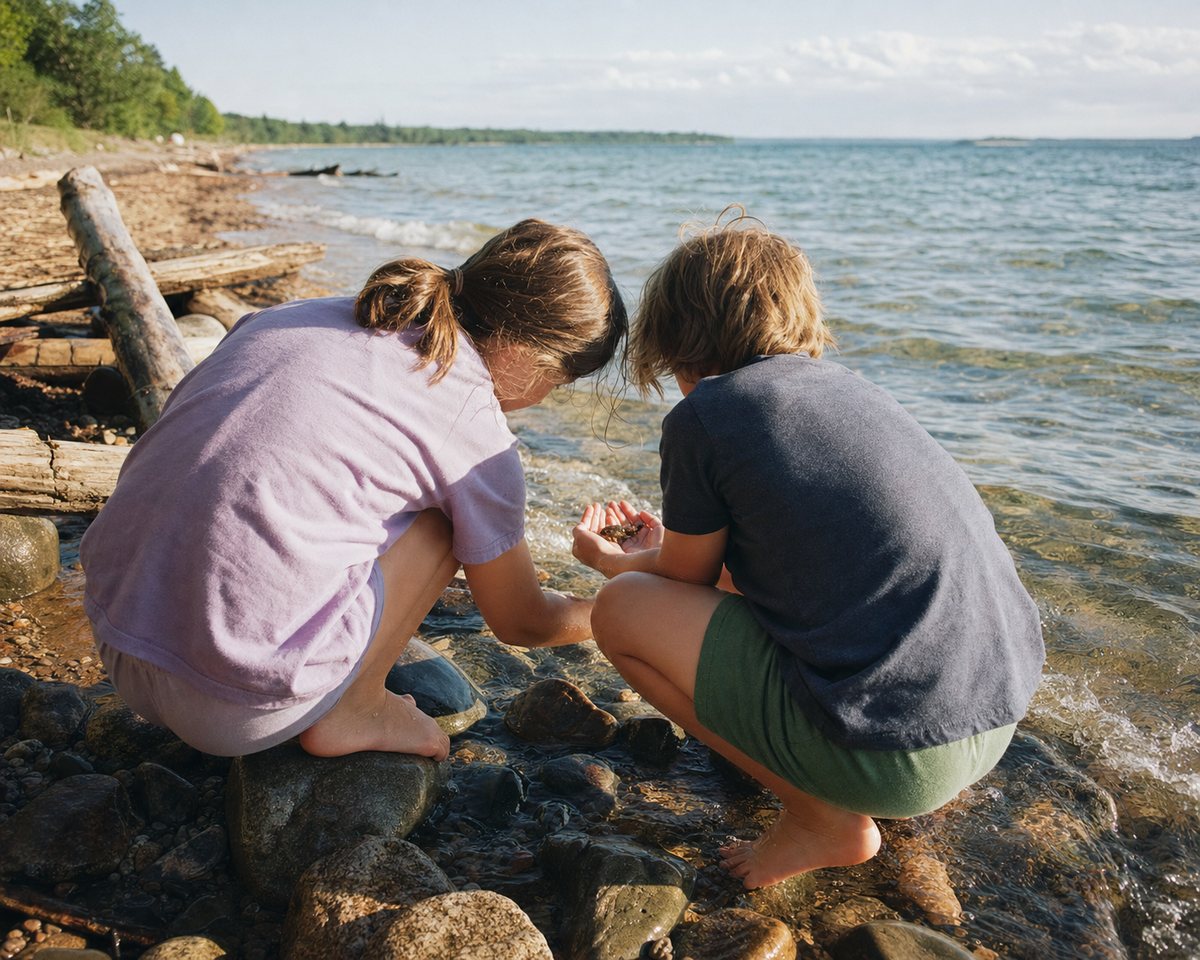
03 · Children's & young adult
Great Lakes Books
The first field guide is a story.
The imprint for young readers. Picture books, middle grade, and young adult writing about the lakes, the rivers, ecology, history, adventure, and home.
A kid who can name the fish in the river is a kid who will notice when they stop showing up. Everything the stewardship program is trying to protect for the next forty years depends on people who grew up thinking of this water as theirs.
Great Lakes Books publishes the stories that do that work without lecturing — adventure, history, natural science, and the ordinary business of growing up near a big lake and a muddy river.
What it preserves
- A sense of ownership over the watershed in the generation that will inherit it.
- Regional natural history in a form a nine-year-old will actually finish.
- Local and Indigenous history of the Maumee and the lakes, told honestly.
- The outdoor childhood — creeks, canoes, ice, and shoreline.
What we are looking to publish
- Picture books about rivers, lakes, marshes, weather, and the animals in them.
- Middle grade fiction and adventure set in the Great Lakes region.
- Young adult fiction with a regional setting.
- Illustrated natural history and field-guide-style nonfiction for young readers.
- Illustrators. We want to hear from regional artists even without a manuscript.
Where the imprints stand today. All three are announced and none are open for unsolicited submissions yet. We are building the editorial board, the contract templates, and the production budget first. Announcing a press you cannot yet deliver on is how a small publisher loses the trust of the writers it needs.
If you are working on something that belongs at one of these, write to us anyway. We would rather know early than find out after you have signed elsewhere.
Get involved
A press is a promise that somebody will still be reading this in fifty years.
Editing, design, printing, and distribution for a single short-run title runs about $4,500. Membership dues are what turn that from a wish into a print date.