Programs
Stewardship, archive, press.
Three programs, run in parallel, all pointed at the same watershed.
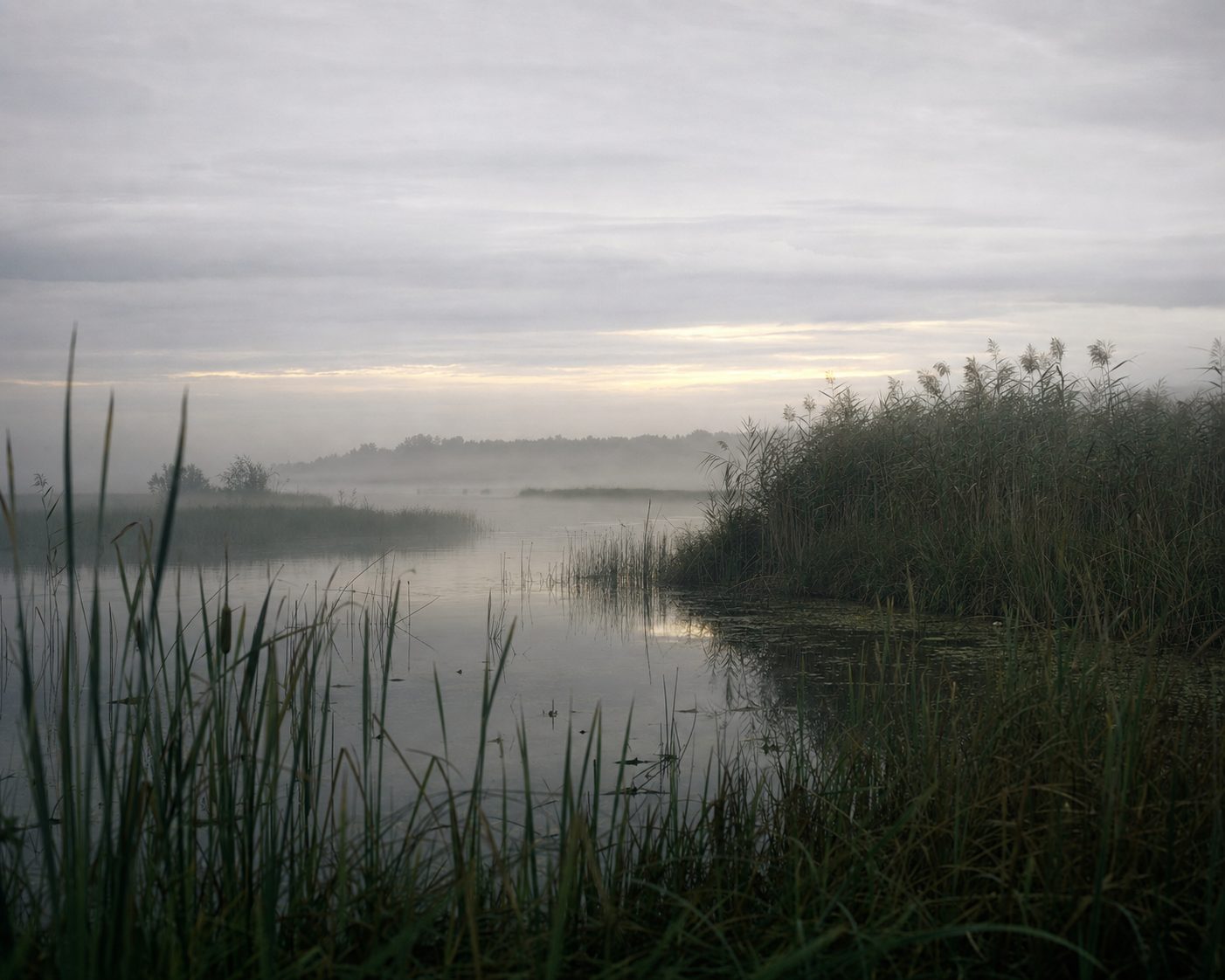
01 · Stewardship
Watershed Stewardship
Hands-on work on the river, its tributaries, and the coastal marshes of the western Lake Erie basin.
The Maumee carries an enormous sediment and nutrient load into the shallowest part of Lake Erie. Fixing that at scale is a job for farm policy and engineering. But there is a large amount of ordinary work that volunteers can do well, and we intend to do it consistently rather than once a year for a photograph.
- Riverbank and trail workdays — trash removal, erosion repair, trail clearing.
- Native plantings and invasive removal along streambanks and in marsh margins.
- Volunteer water-quality monitoring, in partnership with existing programs rather than duplicating them.
- Adopt-a-stretch: small groups taking long-term responsibility for a specific section.
- Support and referrals for landowners considering riparian buffers or conservation easements.
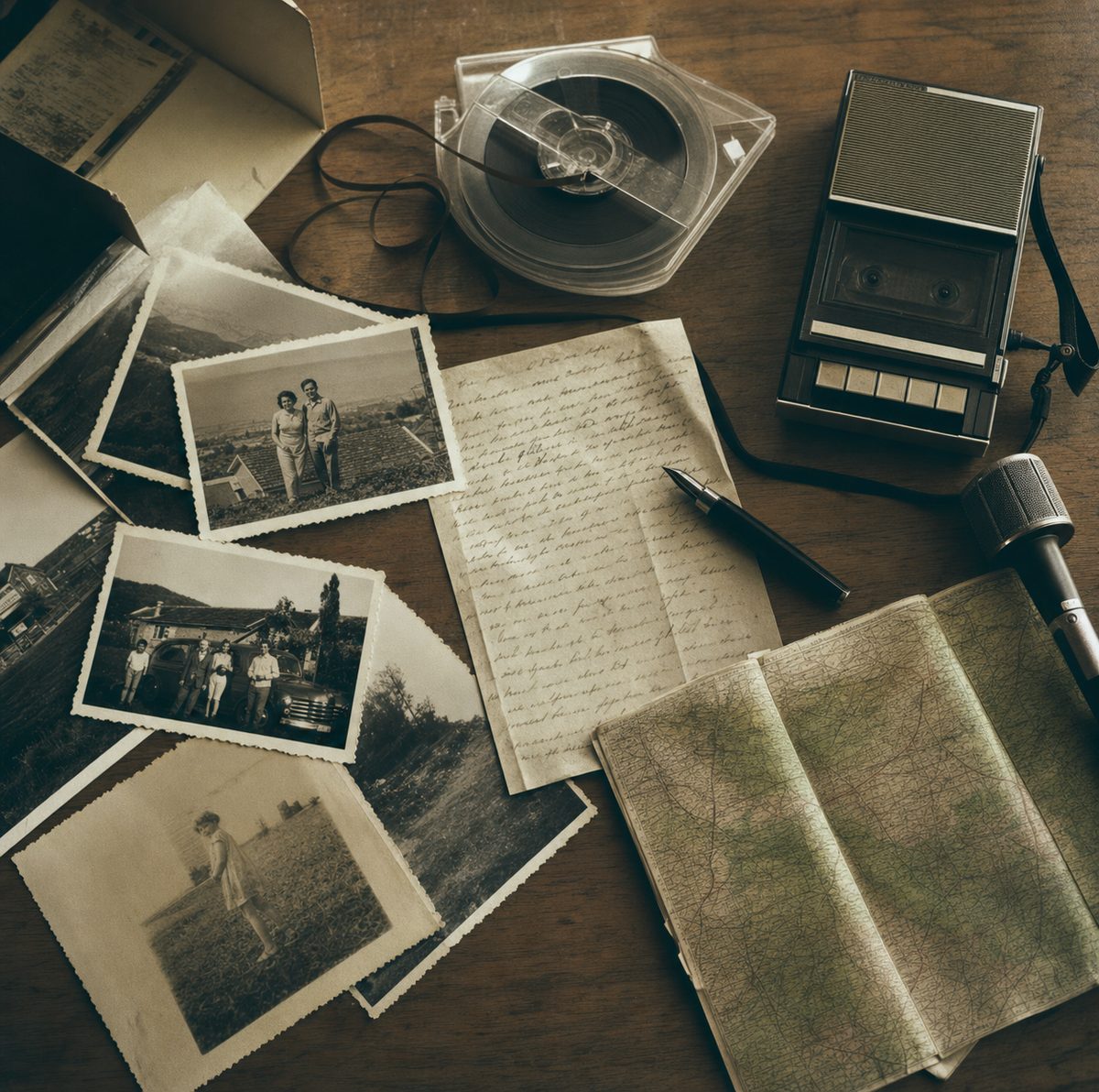
02 · Archive
The Living Archive
Recorded interviews, photographs, letters, maps, and artwork from the valley — collected before they are thrown out.
Most local history disappears in the two weeks after a funeral. The Living Archive is our attempt to intercept some of it: sit down with people while they are still here, record them properly, scan what they have, describe it accurately, and store it where someone can find it in fifty years.
- Oral history recording days — scheduled sessions with trained volunteer interviewers.
- Scan days — bring a shoebox of photographs, letters, or documents; leave with the originals and a digital copy.
- Craftsman Spotlight — interviews and photographs of the people who work with their hands here.
- Artwork and ephemera — signage, labels, prints, and paintings that show what the towns looked like.
- Public access — a searchable, credited collection, with donor-set restrictions honored.
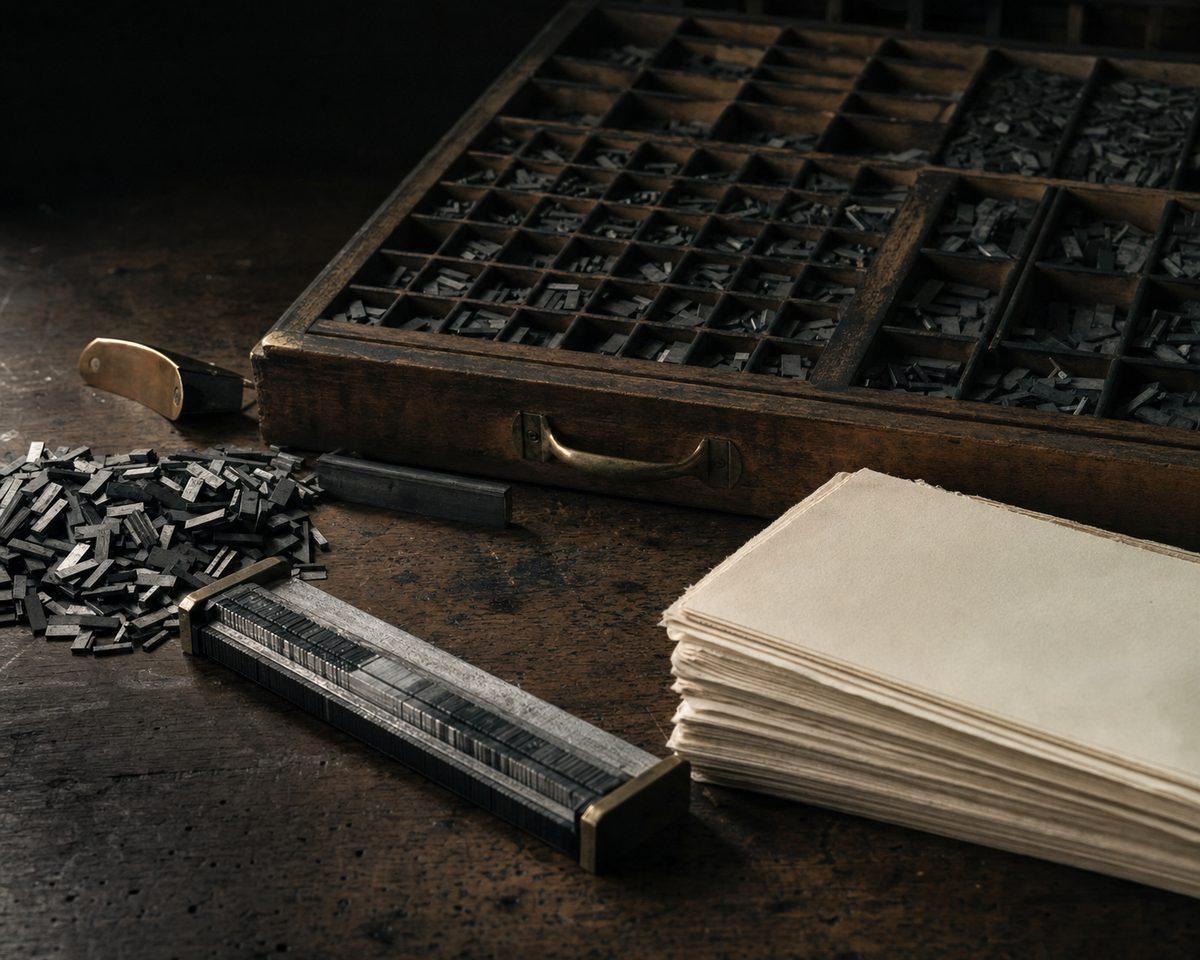
03 · Publishing · Three imprints
The Publishing Division
A small nonprofit publishing house built as three imprints — River Craft Press, Black Swamp Press, and Great Lakes Books — each pointed at a different kind of book about this watershed and the people in it.
Commercial publishing cannot make the math work on a book with a natural audience of a few thousand people in northwest Ohio. That does not make the book unimportant. A nonprofit press exists precisely to publish the work that matters locally and does not clear a New York P&L.
We are being careful about the sequence. The imprints are introduced first and the list is built slowly, after the organization has a board, a bank account with a real balance, and a filed exemption application. We would rather start slowly than start badly.
- River Craft Press — nonfiction: memoir, oral history, essays, regional history, philosophy, stewardship, and craft.
- Black Swamp Press — literary fiction, poetry, and novellas drawn from the history and character of the Great Black Swamp.
- Great Lakes Books — children's and young adult books about the lakes, the rivers, ecology, adventure, and home.
- Author terms, all three: no reading fees, ever. No charge to the author for publication. Royalties on net receipts, paid on a published schedule.
Get involved
Members decide how fast this moves.
Recording equipment, archival supplies, native plants, and the first print run all cost money we do not have yet. Dues are the most direct way to change that.